

Updated on: 2026-06-10
If you want safer evenings and better visibility outside, choosing the right lighting matters. Durable outdoor LED lights help you cut glare, reduce maintenance, and keep brightness consistent season after season. This guide walks you through picking the right brightness, weather rating, and mounting approach for your space. You will also find practical use cases, real customer-style outcomes, and clear next steps to upgrade your setup.
1.1 Choose the right brightness
1.2 Match weather and durability needs
1.4 Aim for even coverage, not hotspots
2.1 Weather and dust performance
2.3 Better visibility and safer movement
3. Use Cases That Fit Real Life
3.1 Driveways and garden paths
3.2 Workshops, garages, and rooftops
Introduction
Outdoor lighting should do two jobs at once: it should look good and it should work reliably when conditions turn wet, windy, or cold. If you have ever dealt with flickering lights, cloudy lenses, or frequent replacements, you already know the frustration. In this article, you will learn how durable outdoor LED lights solve those problems by delivering steady illumination, strong build quality, and long service life.
Whether you are lighting a driveway, a yard, a workshop, or a larger site, the goal is the same: clear visibility without constant upkeep. You will also see practical examples, plus product-focused guidance to help you choose with confidence.
1. Practical Guide
1.1 Choose the right brightness
Brightness is not about buying the brightest option. It is about matching light output to the area you want to cover. Start by measuring the zone size and the distance from the mounting point. Then choose brightness that supports daily tasks like walking, parking, or inspecting surfaces.
For driveways and paths, aim for clear, comfortable visibility with smooth coverage. For work areas, you typically need higher output so tools, textures, and hazards stand out clearly. Many shoppers find that a layered approach works best: use multiple fixtures or a lighting pattern instead of one aggressive beam.
1.2 Match weather and durability needs
Outdoor conditions are harsh. Rain, dust, mud, and temperature swings all affect performance. Look for durable construction and protection designed for outdoor use. A strong lens, reliable sealing, and a casing that resists corrosion help reduce light failure and keep the beam clear over time.
You do not need to guess. When lights are built for outdoor environments, you get steadier operation and fewer interruptions. This matters for safety and for protecting your time, because you avoid repeated replacements and troubleshooting.
1.3 Plan mounting and power
Before you install, decide where the lights will be mounted. Consider the beam angle, the height, and whether you want an even wash of light or targeted task illumination. Also plan how power will be supplied. If you are updating an existing lighting layout, check compatibility with your current setup and wiring.
Good planning prevents wasted work. It also ensures the fixtures are stable and aligned, so you get consistent light each evening without realignment.
1.4 Aim for even coverage, not hotspots
Uneven lighting creates shadows and uncomfortable glare. A better result comes from aiming for balanced coverage, especially near walkways and entry points. Think about where shadows fall and how people move through the space.
Many customers upgrade to a more intentional layout: they spread fixtures to reduce dark patches and keep the light comfortable for both residents and visitors. This is one reason people choose durable outdoor LED lights for repeatable, long-term performance.
Even outdoor lighting layout using beam patterns
2. Key Advantages
2.1 Weather and dust performance
When your lights are designed for outdoor exposure, you can expect improved resilience against moisture and outdoor debris. This helps maintain beam quality and reduces the chance of early failure. For many homeowners and site managers, that means fewer surprises and a more dependable lighting schedule.
2.2 Lower maintenance
Traditional bulbs often require frequent swaps, especially when they sit under harsh weather. LED technology reduces that burden. Durable outdoor LED lights are built to handle outdoor conditions, so you spend less time replacing components and more time enjoying safe, well-lit areas.
Maintenance also includes cleaning and basic checks. Strong housings and protected optics make routine care simpler, and steady operation means fewer issues with flicker or output drop.
2.3 Better visibility and safer movement
Clear visibility is the main reason people upgrade. Good outdoor lighting helps you see steps, edges, uneven ground, and any obstacles near entry points. It also supports safer driving and parking by improving the view of surfaces and markings.
When light output stays consistent, it is easier to trust your environment at night. That confidence improves everyday habits, like walking to the bins, unloading equipment, or checking a gate.
2.4 Energy efficiency
LED lighting typically uses less power than older lighting types. That means you can keep spaces illuminated while reducing energy costs. Over time, efficient operation supports a better overall value, especially when lights run during evenings, early mornings, or longer outdoor schedules.
3. Use Cases That Fit Real Life
Durable outdoor LED lights are versatile. The best choice depends on how you use the space. Below are common scenarios and how shoppers often match lighting style to real needs.
3.1 Driveways and garden paths
Driveways need lighting that supports safe entry and parking. Paths need guidance without blinding glare. A practical approach is to use fixtures that distribute light evenly and keep the beam stable across seasons.
One customer noted that after upgrading to outdoor LED fixtures built for durability, they stopped dealing with cloudy optics and inconsistent brightness. They also said it made night-time arrivals feel calmer because the entrance was visible from the road and the path looked clear at a glance.
3.2 Workshops, garages, and rooftops
Work spaces benefit from bright, reliable illumination. Tools, workbenches, and storage areas require light that highlights surfaces without harsh shadows. For garages and workshops, you often want a strong beam with a controlled spread.
If you are also upgrading outdoor task lighting for a site, you may like exploring lighting packages designed for stronger coverage. For related guidance on outdoor lighting upgrades, you can browse LED work lighting.
3.3 Outdoor events and courtyards
When you host gatherings, you need lighting that looks good and stays consistent. Outdoor LEDs deliver stable color and brightness, so the atmosphere stays comfortable. The result is a space where guests can move safely and enjoy the setting.
For courtyard setups, many people prefer a combination: ambient wash lighting plus brighter accents near steps and doorways. Durable outdoor LED lights support that layered look because they handle repeated use without frequent maintenance.
3.4 Farm and grounds safety
Farms and large grounds require practical visibility. Gates, yards, loading points, and access routes must be illuminated clearly. Weather exposure can be intense, which is why durable construction matters. When lights are made for outdoor environments, they keep working through demanding conditions.
If you are building a lighting plan around farm equipment and site visibility, you may also find it helpful to look at lighting-focused articles and upgrade tips on the same ecosystem of products. For example, you can read brighten every acre with durable tractor LED work lights for ideas on coverage and use patterns.
Layered site lighting plan with coverage zones
4. Summary & Next Steps
Choosing durable outdoor LED lights is about solving real problems: unstable brightness, frequent failures, and unsafe visibility. When you select fixtures designed for outdoor environments, you gain consistent performance, improved resilience, and a better long-term lighting experience.
Here is a quick recap of the best decision path:
- Pick brightness based on area size and typical tasks, not just marketing numbers.
- Choose fixtures with strong outdoor protection so performance stays steady in rain and dust.
- Plan mounting height and angle to reduce glare and dark shadows.
- Use a layered approach for wider coverage in driveways, yards, and site routes.
If you want a straightforward way to explore options, start with curated categories like LED spotlights and LED lightbars. You can also see how different lighting solutions are organized through lighting packages when you want a complete approach.
Call to action: Upgrade your outdoor visibility today. Choose durable outdoor LED lights that match your weather exposure and coverage goals, then install with a plan that targets even illumination. For support and product recommendations, visit About Lightcomm and browse the outdoor lighting collections.
Disclaimer: Product availability, specifications, and performance can vary by model. Always check manufacturer instructions, installation requirements, and local electrical regulations before purchasing or installing any lighting product.
FAQ
How do I know which brightness level is right for my outdoor space?
Start by identifying the area size and the main activity. For walking paths and entry points, you want comfortable guidance and even coverage. For work areas, choose brighter output that helps you see tools and surfaces clearly. If you are unsure, use a layered setup with multiple fixtures to balance visibility and reduce glare.
What makes durable outdoor LED lights last longer?
Longevity usually comes from outdoor-rated construction, reliable sealing, protected optics, and materials designed to resist corrosion and moisture. When the light is built to handle rain, dust, and temperature changes, it is more likely to maintain brightness and reduce failures over time.
Can I use outdoor LED lights in very wet or dusty conditions?
Many outdoor LED fixtures are designed specifically for challenging environments. Choose products intended for outdoor use and follow the installation guidance carefully. Proper mounting and correct weather protection help maintain performance when conditions are tough.
Do I need special installation tools or professional help?
Some installations are straightforward, while others require wiring work and secure mounting. If you are not confident with electrical connections, hire a qualified professional. Always follow the manufacturer instructions and local safety requirements.
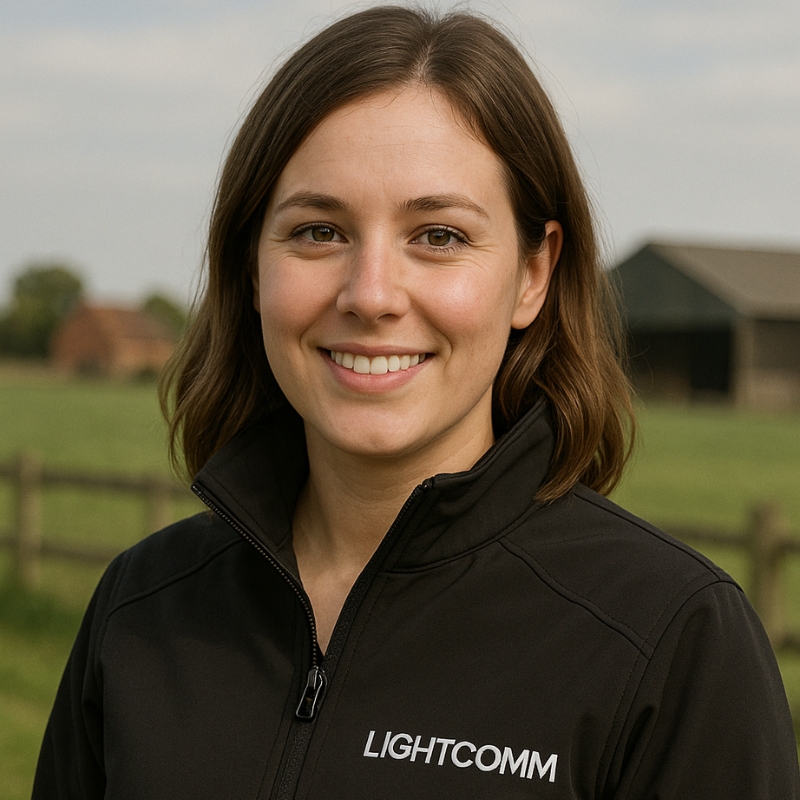
Orla Murphy writes for Lightcomm.ie, where she mixes farm life, tech talk, and a healthy dose of caffeine. When she’s not testing new lights or chatting with farmers, she’s probably wrangling her dog out of a muddy field or trying to convince her neighbours that radios are still cool.