

Updated on: 2026-06-17
Weather-resistant LED lights help you keep visibility when conditions change fast. They are built for rain, wind, dust, and daily vibration. With the right brightness and beam pattern, you can work longer and feel safer outdoors. This guide shows what to check, how to choose, and how to install for strong, reliable performance.
Buyer’s Checklist
Choosing weather-resistant LED lights is easier when you know what matters. Use this checklist before you buy, especially if your lighting must handle outdoor work, travel, and rough storage.
Protection rating (IP rating): Look for a clear IP number that fits wet and dusty environments. A higher rating usually means better sealing against water and debris.
Moisture and corrosion resistance: Choose lights with sealed construction and materials that resist corrosion. This helps prevent early failure when rain and road spray hit the fixture.
Impact and vibration tolerance: If your setup is on vehicles or machines, prioritize shock resistance. Vibration can loosen mounts and damage components over time.
Heat management: LEDs last longer when heat is controlled. Check for a heat-dissipating design such as an efficient housing and proper cooling paths.
Beam type for your job: Spot beams help with long-range visibility. Flood beams spread light for close work. Combo patterns often work well for mixed tasks.
Correct voltage and wiring support: Match the light to your system power. Also check for compatible wiring, connectors, and safe switching.
Mounting and aim adjustment: Look for stable brackets and clear adjustability. Better alignment reduces glare and improves useful illumination.
Warranty and serviceability: A solid warranty and straightforward support reduce risk. You want confidence that your lights will stay reliable across seasons.
Rain and dust icons beside sealed light shield
Step-by-Step Guide
If you want weather-resistant LED lights that deliver strong results, follow a simple plan. These steps focus on safer installation and better day-to-day performance.
Define the use case first: Are you lighting a driveway, a work area, a tractor, or a vehicle route? Write down where you need light most: near ground, mid distance, or far range.
Choose the beam pattern: For task work like checking parts or tools, pick a wider beam. For scanning hazards farther ahead, choose a tighter beam.
Confirm the environment details: If you operate in heavy rain, windy dust, or muddy conditions, prioritize higher IP sealing and corrosion-resistant materials.
Measure mounting space: Check the available clearance and decide how many lights you need. A well-positioned single bar can outperform a poorly placed cluster.
Plan your switch and control: Choose a switch that fits your workflow. Many buyers prefer clear dash-friendly control so you can power lights quickly without guessing.
Inspect the mounting surface: Remove dirt and check for rust or loose fasteners. A stable base prevents vibration-driven movement and helps keep aim consistent.
Install the bracket or housing securely: Use the correct hardware and tighten evenly. Ensure the light is not strained by cables or mounting tabs.
Route and protect wiring: Keep cables away from sharp edges and moving parts. Use strain relief and secure routing so water cannot pool inside connectors.
Test before final tightening: Turn on the lights, confirm beam direction, and check that both sides match your visibility needs.
Aim for utility, not glare: Adjust the angle to reduce reflection into your own eyes or into nearby road users. Aim to illuminate the working zone first.
Do a quick endurance check: After installation, verify stability under gentle movement. Check the mount and wiring for any shifting.
Keep it clean: Wipe dust and film from the lens regularly. Clear optics help maintain brightness and keep light output consistent.
Use cases that benefit from weather-resistant LED lights
Weather and exposure can ruin lighting fast. When you choose the right outdoor LED solution, your setup becomes a tool you can trust. Here are common real-world scenarios where customers see value.
Outdoor farm and work zones: Stable illumination helps you spot details at dusk and after bad weather. Sealed construction supports harsh spray and grime.
Vehicle and machine visibility: Durable housings and vibration tolerance improve consistency when your equipment travels on uneven ground.
Driveways and entrances: You get safer movement and earlier hazard detection, especially when rain reduces contrast.
Workshop tasks and inspections: A controlled beam reduces shadows and supports faster checks when lighting matters.
What buyers like about trusted LED work lighting
Many shoppers want practical results, not just bright marketing. A repeat theme is performance they can feel: dependable output, stable mounting, and easy maintenance. Buyers also like lighting that keeps aim after bumps and continued use.
For example, if you run agriculture equipment, you may want a lighting upgrade designed for demanding schedules. You can explore more options in the LED work lighting collection to compare beam styles and form factors.
Beam cone diagrams over wet ground and fixed mount
Easy next steps to buy with confidence
When you are ready to upgrade, start with your most important lighting requirement: either longer reach or wider coverage. Then verify the environment fit by checking sealing, heat management, and mounting stability.
If you also need purpose-built lighting packages for equipment setups, it can help to review curated solutions. Visit lighting packages for a smoother path to compatible parts.
For shoppers who want a premium brightness option for outdoor tasks, you can also compare with the Lumenite Vector V2 500 Lumen style of portable and focused illumination. This can be useful for spot checks and targeted work where you need reliable light without complexity.
FAQ
Are weather-resistant LED lights bright enough for outdoor work?
Yes, when you select the correct brightness level and beam type. Outdoor tasks usually need a wider flood beam for near work and a spot or combo beam for longer visibility. Always aim the light for your working zone and consider whether you need glare control.
What does an IP rating mean for outdoor LED lights?
An IP rating indicates how well the fixture resists water and dust. A higher protection level generally means better sealing against rain and dusty conditions. If your setup sees splashes or muddy spray, prioritize a rating that matches your real exposure level.
How do I prevent early failure from rain and vibration?
Use lights with sealed construction, corrosion-resistant materials, and a mounting method that stays stable under vibration. Route cables safely, avoid sharp edges, and secure connectors so water cannot collect. After installation, confirm alignment and re-check tightness after the first period of use.
Can I install weather-resistant LED lights on vehicles or equipment?
Many designs are made for vehicle or machine use, especially when they have robust brackets and vibration tolerance. Confirm voltage compatibility and verify that mounting points are strong. If you are unsure about wiring, get help from a qualified installer to keep the installation safe and correct.
How often should I clean the lens?
For best output, clean the lens when you notice dust buildup, film, or mud. Regular cleaning supports consistent brightness and helps the optics keep performing as intended.
Call to action: Ready to upgrade your visibility? Browse trusted options for rugged environments at LED spotlights, compare beam styles, and choose weather-resistant LED lights that match your work and conditions.
Disclaimer: Product availability, specifications, and compatibility can change. Always verify voltage requirements, mounting fit, and IP rating details for your specific use case. Installations involving vehicle or machine wiring should follow manufacturer instructions and be completed safely. This article is for general guidance only and does not replace professional advice.
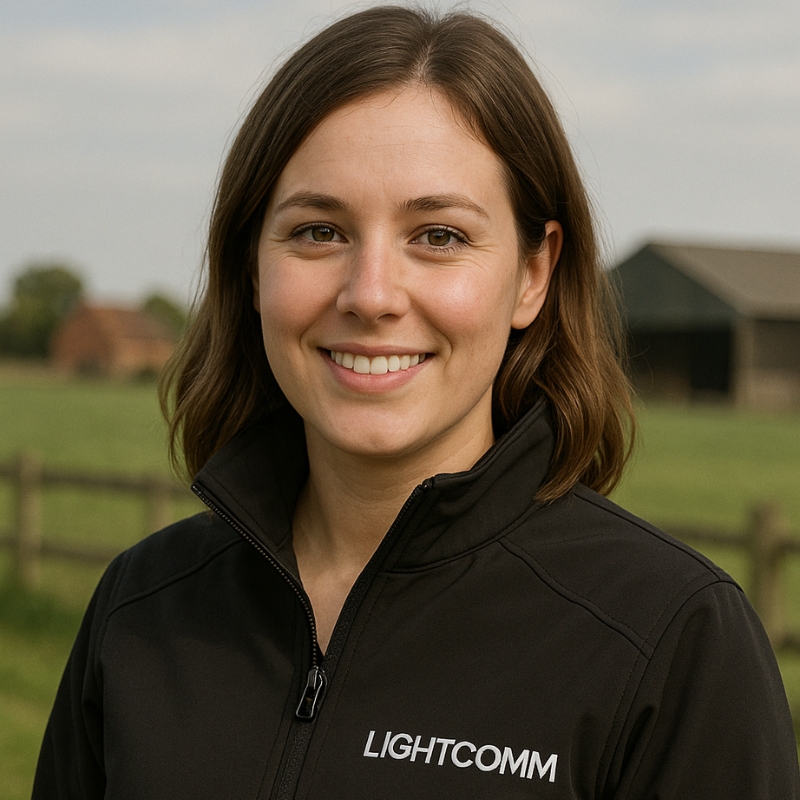
Orla Murphy writes for Lightcomm.ie, where she mixes farm life, tech talk, and a healthy dose of caffeine. When she’s not testing new lights or chatting with farmers, she’s probably wrangling her dog out of a muddy field or trying to convince her neighbours that radios are still cool.