

Updated on: 2026-06-03
Energy-efficient LED lighting helps you use less power while keeping work areas bright. It can also reduce heat buildup, which supports longer component life in many setups. With the right optics and placement, you can improve visibility where it matters most. This guide explains what to look for, common mistakes to avoid, and how to choose confidently for your home, workshop, or vehicle.
Table of Contents
TLDR
Energy-efficient LED lighting is one of the easiest upgrades for cutting power use and improving visibility. You get strong light output with lower energy demand, plus fast switching and better durability than many older bulb types. The best results come from matching brightness, beam pattern, and mounting style to your real tasks. Use this checklist approach to choose lighting that performs reliably for years.
Product Spotlight: A Practical Upgrade for Better Visibility
If you want a clear win from an energy-focused upgrade, start with a purpose-built LED spotlight. One option that fits many “see more, waste less” needs is the Lumonite Vector V2 500 lumen. It is designed to deliver useful brightness in a compact format, which makes it ideal for targeted illumination around steps, tools, entry points, or work zones where you need immediate clarity.
Why does this matter? Many lighting problems are not really “too dark.” They are “the wrong light at the wrong angle.” A good spotlight helps you concentrate light where you work or move, which can improve safety and reduce the urge to leave more lights running than necessary.
What makes an energy-efficient LED choice feel better day to day
Better focus: A targeted beam helps you see edges, surfaces, and obstacles without lighting up every background area.
Lower energy demand: LEDs typically use less electricity to produce the light you need.
Consistent output: Quality LED optics help keep performance steady over time.
Fast response: LEDs light up quickly, which is helpful for outdoor movement and short work sessions.
Symbolic beam cone showing focused light coverage
Use cases where this kind of upgrade shines
Energy-efficient LED lighting is not only for large spaces. Compact, efficient LEDs are great when you want strong visibility in a specific area:
Outdoor access points: Help you spot paths, gates, and steps without flooding the whole yard.
Workshop visibility: Illuminate benches and equipment so you can work with less eye strain.
Vehicle and equipment checks: Use a focused light for quick inspections before and after tasks.
Safety lighting for trips and clutter: Reduce dark corners that hide cables, bins, and tools.
For readers building a complete lighting strategy, it also helps to browse wider lighting categories. If you want more options in efficient work lighting, explore LED work lighting.
Finally, if your lighting upgrade is part of a larger farm or fleet improvement plan, you may also benefit from reading practical guides from the same store ecosystem. For example, this resource on LED work lights and productivity can help you think about placement and outcomes: How LED light bars boost productivity on farm equipment.
How to match brightness to your real work
Bright does not always mean better. Start by asking what you need to see: distance, details, or both. Then choose a beam pattern that fits. Wide beams are often useful for general areas, while narrower beams can be better for pinpoint tasks. The goal is comfort and clarity with less wasted illumination.
Also consider how often the light runs. An efficient option can deliver value when used daily, especially when you replace older fixtures that consume more power. The best system is the one you actually use the right amount of time.
Did You Know?
LEDs switch on quickly, which can improve safety in motion-heavy spaces.
Many LED systems run cooler than older lighting, which helps reduce heat stress on nearby materials.
Beam shape matters as much as brightness, because optics control how light lands.
Using more targeted light can reduce the temptation to keep extra lights on.
Pros & Cons Analysis
Choosing energy-efficient LED lighting is usually a “yes,” but it still helps to know the trade-offs. Here is a simple scan you can use while comparing options.
| Aspect | Pros | Potential Cons |
|---|---|---|
| Energy use | Lower electricity demand for the same usable brightness | Upfront costs can be higher than basic bulbs |
| Light quality | Good visibility with proper optics and placement | Choosing the wrong beam can cause glare or weak coverage |
| Durability | Solid-state design often resists shock and vibration better | Environments with heavy dust or water may require suitable ratings |
| Installation | Many replacements are straightforward and tool-light | Some setups need correct mounting and aiming for best results |
Want to see more ideas for efficient upgrades beyond spotlights? Browse LED spotlights to compare beam options and uses.
Common buying mistakes to avoid
Focusing only on lumen numbers: The beam pattern decides whether you can see details or just create glare.
Ignoring mounting angle: Even a strong light underperforms if aimed too high, too low, or off to the side.
Over-lighting a background: Lighting everything except your work zone wastes power and reduces contrast.
Skipping reliability checks: If you need consistent performance, choose quality components and appropriate build for your environment.
Checklist icons showing beam, angle, coverage, brightness
What customers often say after upgrading
People typically notice improvements in a few consistent ways:
They see obstacles sooner because targeted light creates clearer edges.
They keep lights on less often because the focused beam reduces the need for extra illumination.
They feel more confident during quick checks thanks to fast start and steady output.
While individual results vary by setup, these reactions usually point to the same core benefit: better practical visibility with lower electricity usage.
Next steps: build your efficient lighting plan
If you are ready to move from “thinking about it” to “getting it installed,” start simple:
Pick one high-impact area to fix first.
Choose a beam style that matches your task distance and detail needs.
Aim for comfort and coverage, not glare.
Expand once you confirm the results in daily use.
For more background on the business behind the products, visit About Lightcomm to learn how the store supports practical product selection.
FAQ Section
What makes energy-efficient LED lighting different from older bulbs?
Energy-efficient LED lighting uses modern semiconductor technology that turns electricity into light more effectively. LEDs usually require less power to achieve useful brightness, and many setups also produce less heat than older lighting types.
Will LED lighting reduce glare?
It can, but glare depends on optics and placement. A focused beam with the correct angle can improve contrast. If the light is aimed incorrectly or spread too wide, you may notice glare instead of comfort.
How do I choose the right brightness for my space?
Start with the job you do most often. If you need clear detail up close, choose a setup that provides strong coverage at that distance. If you need to see farther, focus on beam shape and aiming. It also helps to test your placement in real conditions.
Are LED lights suitable for outdoor use?
Many LED products are made for outdoor environments, but suitability depends on build quality and the protection they offer against moisture and dust. Always choose products intended for the conditions where you will install them.
How quickly will I notice improvements after switching?
Most people notice better visibility immediately because LEDs switch on fast and can deliver consistent output. Long-term benefits come from using less electricity and replacing components less often, depending on your setup and how you maintain it.
Disclaimer: This article is for general information only. Product availability, specifications, and compatibility may change. Always check manufacturer details and follow safe installation practices.
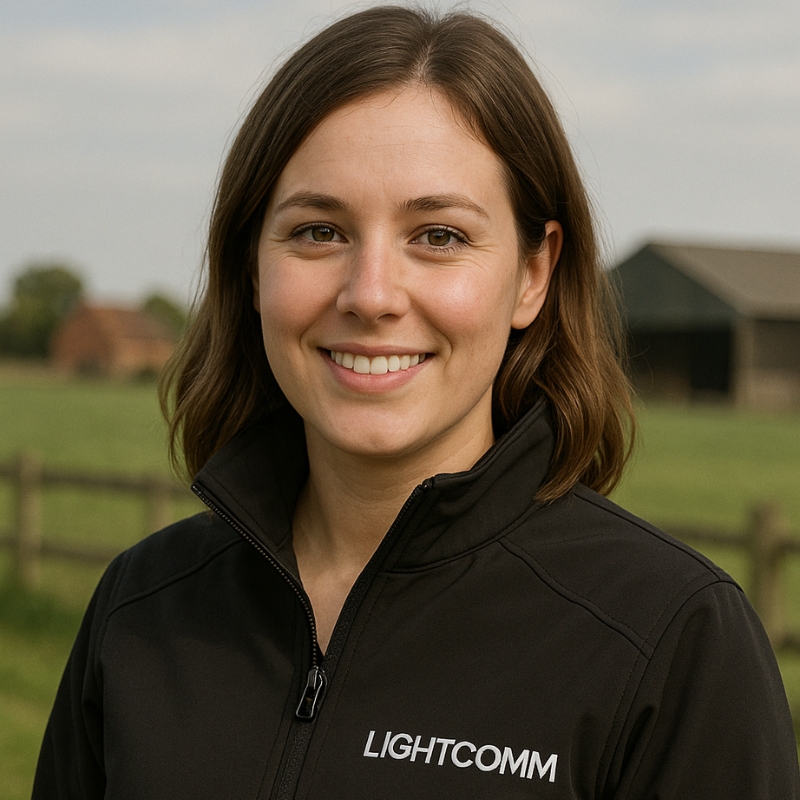
Orla Murphy writes for Lightcomm.ie, where she mixes farm life, tech talk, and a healthy dose of caffeine. When she’s not testing new lights or chatting with farmers, she’s probably wrangling her dog out of a muddy field or trying to convince her neighbours that radios are still cool.