

Updated on: 2025-11-12
Table of Contents
- Why LED Light Bars for Farm Equipment Boost Productivity
- Key Benefits of LED Light Bars for Farm Equipment
- How to Choose the Right Agricultural LED Light Bars
- Step-by-Step Guide: Install and Wire LED Light Bars on Farm Equipment
- Real-World Use Cases and Farmer Feedback on Tractor LED Lighting
- FAQ: LED Light Bars for Farm Equipment
Why LED Light Bars for Farm Equipment Boost Productivity
When night falls, work often continues. LED light bars for farm equipment give you the visibility to operate safely and efficiently, whether you are cutting silage, drilling seed, or hauling grain. Compared to older halogen or HID setups, agricultural LED light bars produce brighter, cleaner light with less power draw and far longer lifespans. From compact tractors to full-size combines, LED work light bars for tractors help you see rows, headlands, hazards, and hitch points clearly so you can work with confidence and precision.
If you are upgrading from stock lights, this guide will help you choose the right tractor LED lighting, install it correctly, and maintain it through dust, washdowns, and vibration. You will also find practical use cases, customer feedback, and quick answers to common sizing and wiring questions.
Key Benefits of LED Light Bars for Farm Equipment
- Brighter, safer fields: High-output farm machinery work lights deliver wide, even coverage so you can spot obstacles, animals, and personnel.
- Lower power draw: LEDs use less current than halogen, protecting batteries and alternators during long nights.
- Rugged reliability: Waterproof, shockproof LED light bars for tractors and combines withstand rain, mud, vibration, and pressure washdowns.
- Long service life: Quality LEDs and sealed housings reduce failures and minimize unplanned downtime.
- Versatile beam patterns: Combine flood for close-in work and spot for long-range view down rows, lanes, and tracks.
- Easy retrofit: Many agricultural LED light bars mount to OEM points or common brackets, simplifying upgrades.
- Value over time: Durable construction and lower replacement needs make LEDs cost-effective across seasons.
How to Choose the Right Agricultural LED Light Bars
Selecting the best LED light bars for farm equipment for night fieldwork starts with your tasks and machine type. Below are the key factors to weigh before you buy.
- Size and fit: Ask “What size LED light bar do I need for my tractor?” Start with available space on the cab roof, grille, or ROPS. Common sizes include 12–14 inch bars for compact tractors, 20–30 inch bars for mid-size tractors, and dual 30–42 inch bars for large tractors and combines. Ensure clearance for wipers, beacons, and grain tank lids.
- Beam pattern: Use a combo beam (spot + flood) up front for distance and close-in coverage. Use flood on the sides and rear to light implements, drawbars, and hitches. For narrow row-crop work, a tighter spot keeps light where you need it.
- Lumen quality: Lumens matter, but so does optic design. A well-engineered 12,000-lumen bar can outperform a poorly focused bar with higher claimed output. Look for genuine output and reputable optics.
- Durability rating: Prioritize IP67 or higher for dust and water ingress protection. For heavy vibration, choose lights tested to military or automotive shock standards and with robust mounts.
- Voltage compatibility: Confirm 12V or 24V support based on your machine. Many LED work light bars for tractors are multi-voltage.
- Wiring simplicity: A sealed harness with relay, inline fuse, and weatherproof connectors speeds installation and increases reliability.
- Color temperature: Neutral white (around 5,000–6,000K) provides crisp contrast without harsh glare on dust or fog.
- Compliance and safety: Ensure switches and wiring are rated for the load, and route cables to avoid pinch points or hot surfaces.
Need help choosing? Explore a curated range to match tractors, loaders, and harvesters. Start here: Shop all lights. If you want guidance on fitment or beam selection, reach out anytime: Contact us.
Step-by-Step Guide: Install and Wire LED Light Bars on Farm Equipment
The steps below outline a clean, dependable installation that protects your electrical system and makes future maintenance simple.
Plan your layout and wiring
Decide where each bar will mount: roof edge for forward reach, grille for long-range spot, rear cab for implement view, and side brackets for headland turns. Sketch the cable routes, avoiding sharp edges, moving parts, and heat sources. Measure the total current draw and confirm your alternator and wiring can support it. Plan switches within easy reach and use labeled circuits if your cab supports them.
Mount the light bars
Use stainless or coated hardware to prevent corrosion. Position mounts on flat, rigid surfaces to limit vibration. Add rubber isolators if the machine sees rough terrain. Align the bar roughly where you want the beam—slightly downward for front bars to reduce glare and avoid shining into oncoming traffic when roading.
Connect the wire harness and switch
Use a dedicated harness with weatherproof connectors. Run the positive lead through a relay controlled by your switch. Keep connections above likely waterlines and seal with heat-shrink. Route cables in split loom and secure with UV-stable ties. Label each run so you can troubleshoot quickly later.
Hook up power, ground, and fusing
Connect to a clean power source, ideally direct to the battery or a fused distribution block. Use an appropriately sized inline fuse close to the power source. Ground to a known good chassis point or a ground bus. Verify wire gauge based on total current and length to minimize voltage drop.
Aim, test, and secure
Power on one circuit at a time. Check polarity, switch function, and beam spread. At night, aim front bars to illuminate the field without blinding others on shared lanes. Aim rear and side bars to light hitch points, steps, and implements. Tighten all mounting bolts and add a second pass on cable ties to eliminate chafing.
Maintenance tips for longevity
Wipe lenses with a soft cloth to remove dust that scatters light. Inspect cables and grommets at service intervals. After pressure washing, spot-check connectors and reapply dielectric grease if needed. Re-torque mounts periodically—vibration can loosen hardware over time.
For delivery timelines and parcel details before you order your harness or brackets, see: Shipping info.
Real-World Use Cases and Farmer Feedback on Tractor LED Lighting
Farmers upgrade to tractor LED lighting for many reasons—usually a mix of safety, speed, and accuracy. Here are common scenarios where agricultural LED light bars shine.
- Tillage and drilling: A wide combo bar on the cab roof pairs with two floods at the rear to monitor seed placement and drill depth indicators. Operators report fewer missed strips and smoother headland turns.
- Hay and forage: During baling or chopping, forward spot beams let you track windrows while rear floods help you watch tailgates, chutes, and wagon hitches.
- Livestock and yard work: Flood bars on loaders improve visibility around gates, feeders, and alleys. This reduces bumps and helps you spot strays or tools on the ground.
- Harvest support: Grain cart tractors benefit from a long-range spot to track augers and trucks, plus side floods for clear communication with the combine operator.
- Roading and compliance: Properly aimed lights avoid glare for other drivers, while durable mounting keeps your setup stable on rough lanes.
Feedback from customers is consistent: installation is straightforward with a quality harness, lights hold adjustment if mounts are solid, and visibility increases make night work calmer and safer. One grower told us, “I went from creeping along to running at a steady, confident pace. I can see the implement edges and the row end well before I get there.” Another said, “The waterproof, shockproof LED light bars for tractors and combines paid for themselves with fewer stoppages and less rewiring in the busy season.”
Want a quick overview of current options and bundles? Visit Lightcomm for up-to-date selections and support.
FAQ: LED Light Bars for Farm Equipment
What size LED light bar do I need for my tractor?
Measure the mounting space first, then match size to task. Compact and utility tractors often suit a 12–14 inch bar up front with small floods on the sides. Mid-range row-crop tractors do well with 20–30 inch front bars and rear floods. Large tractors and combines commonly run dual 30–42 inch bars or a single long bar plus side floods. The goal is balanced coverage: a combo beam up front for range and floods where you hitch or monitor implements. If you are unsure, share photos and measurements and we will recommend a fit that avoids glare and shadowing.
How do you install and wire LED light bars on farm equipment?
Use a dedicated harness with a relay, fuse near the battery, and weatherproof connectors. Plan the layout, mount to rigid points, route cables in loom away from heat and moving parts, then connect power and ground with the proper gauge. Test each circuit, aim at night, and re-secure all fasteners. The step-by-step section above outlines a reliable process that most owners can follow with basic tools.
Are waterproof, shockproof LED light bars worth it for tractors and combines?
Yes. Tractors and harvesters face rain, dust, vibration, and frequent washdowns. Waterproof, shockproof LED light bars for tractors and combines keep moisture out, resist lens haze, and hold aim in rough terrain, which reduces failures and saves time. Look for robust housings, sealed connectors, and proven ratings like IP67 or higher.
Next steps
- Ready to upgrade? Compare options and check sizes: Shop all lights
- Questions about fitment or wiring? Our team is here to help: Contact us
- Planning an order? Review transit and delivery details: Shipping info
- Prefer a tailored recommendation? Share your machine and use case via our contact page for a custom build list.
Disclaimer: Always follow manufacturer instructions and local regulations when installing lighting on farm equipment. If you are not comfortable with wiring or fusing, consult a qualified technician.
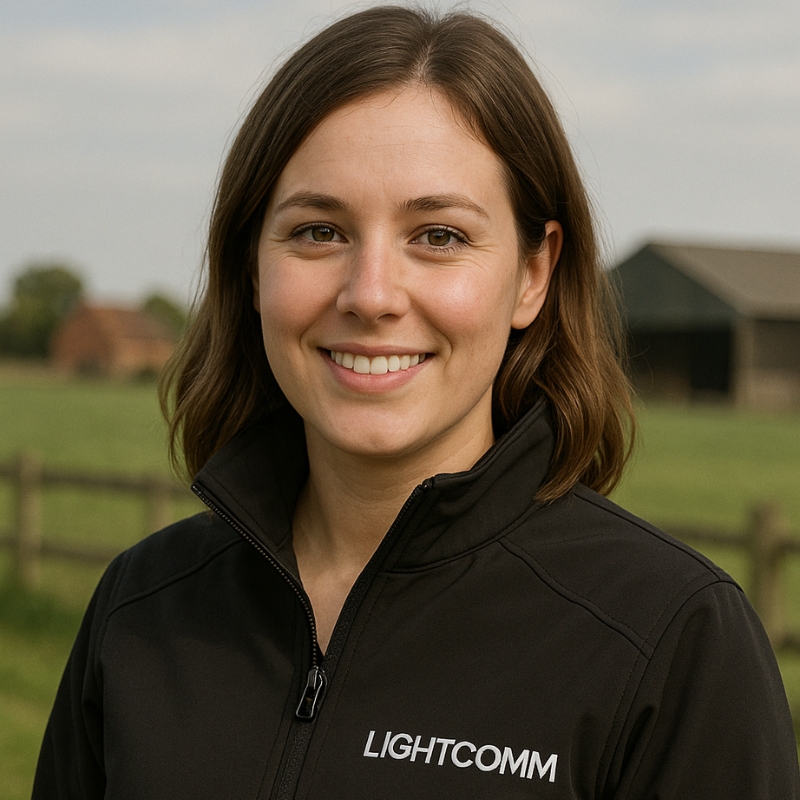
Orla Murphy writes for Lightcomm.ie, where she mixes farm life, tech talk, and a healthy dose of caffeine. When she’s not testing new lights or chatting with farmers, she’s probably wrangling her dog out of a muddy field or trying to convince her neighbours that radios are still cool.