

Updated on: 2026-10-28
Outdoor evenings look better when your lighting works, even when the weather does not. Weatherproof LED lights for outdoor use help you keep walkways, patios, barns, and driveways safely illuminated. They are built to handle rain, wind, and temperature swings while delivering bright, efficient light. With the right placement and mounting style, you can reduce shadows and improve visibility where you need it most.
Table of Contents
Weatherproof LED Lights for Outdoor Use: Practical Guide
If you have ever tried to enjoy your outdoor space only to have lights flicker, dim, or fail after a storm, you already know the problem. Weatherproof LED lights for outdoor use are designed for real conditions, not perfect days. The goal is simple: choose lighting that stays bright, stays protected, and stays consistent.
Step 1: Match the light to the area
Start with where you want better visibility. Are you lighting a pathway, a parking spot, a garden feature, or an external work area? Different zones need different beam shapes and mounting angles. For example, narrow beams help highlight specific points, while wider spread lights improve overall safety around doors and steps.
Step 2: Choose the right weather protection
Outdoor conditions vary. Rain, wind-driven water, and dust can all affect performance over time. Look for weatherproof construction that is intended for outdoor use. If you often face wet weather, prioritize protection that can handle exposure without degrading the light output.
Step 3: Plan for brightness that reduces shadows
Bright light is useful only if it covers the space evenly. Shadows can hide uneven ground, clutter, and trip hazards. When you plan placement, aim to reduce dark corners rather than just increase brightness. A well-lit outdoor area feels safer and more welcoming.
Step 4: Confirm mounting style and ease of setup
Lighting should be practical. Choose fixtures that are easy to install and secure. Consider cable routing, mounting surfaces, and access for maintenance. The more straightforward the setup, the faster you can start using your outdoor space.
Rainy outdoor scene with sealed light symbols
Step 5: Use smart controls where it makes sense
Many people want lights that turn on when motion is detected or that can be dimmed for evening comfort. Controls can also help reduce energy use. If your outdoor area is used only at certain times, motion sensing or scheduled switching can be a big upgrade.
Key Advantages of Outdoor Weatherproof LED Lighting
Weatherproof LED lights for outdoor use deliver benefits that go beyond brightness. They are built for consistency, efficiency, and durability, so you can stop thinking about lighting failures and start enjoying your space.
- Reliable performance in harsh conditions: Outdoor lighting needs to handle rain, dust, and temperature changes.
- Efficient brightness: LED technology uses less power while delivering strong light output.
- Better visibility and safety: Reduced shadows help you spot steps, uneven ground, and obstacles.
- Long-lasting value: Durable fixtures can reduce the need for frequent replacements.
- Flexible for many outdoor zones: Pathways, driveways, entrances, and work areas can all benefit.
How to Choose the Right Lights
Choosing the right fixtures can feel confusing, but you can simplify it with a few clear checks. The best weatherproof outdoor lights fit your environment and your habits.
Pick the beam pattern that matches your job
Beam pattern matters because it changes how light lands on the ground and walls. If your goal is to light a wide area, choose a wider spread. If you need to highlight a gate, corner, or specific feature, a more focused beam works better. When you match the beam to the space, you avoid wasted light and improve safety.
Look for weather-ready construction
Outdoor lighting should be sealed and made for exposure. Strong weatherproofing helps protect internal components and supports long-term performance. This is especially important if the lights are near open areas or subject to direct rainfall.
Consider power needs and energy goals
Many people choose LED lighting because it is efficient. That means lower energy use while keeping the area bright. If you run lights for longer evenings or want multiple fixtures, efficiency becomes an important part of your budget.
Think about color and comfort
Color temperature affects how an outdoor area feels. Warmer tones often create a cozy atmosphere, while cooler tones can improve clarity. Think about the mood you want at your entrance, patio, or driveway and choose accordingly.
Installation and Placement Tips That Make a Difference
Even the best fixture cannot help if it is mounted in the wrong spot. Placement is where you turn “bright” into “useful.”
Mount at the right height
Mounting height affects coverage and glare. Too low can create harsh light in your eyes. Too high can leave the ground underlit. Choose a height that illuminates the surfaces you need most, like steps and pathways.
Face the light to the targets, not to the neighbors
Aim lighting downward and toward your property features. This reduces spill light and helps keep the area comfortable. It also improves the look of your lighting by focusing it where it matters.
Use spacing to avoid dark gaps
If you place fixtures too far apart, you can end up with shadow bands across the ground. Use even spacing for consistent coverage. If your space has corners, consider adding a fixture that fills those angles.
Seal and secure for long-term stability
Outdoor conditions move, shake, and test connections. Make sure mounts are secure and that any outdoor-rated sealing is applied correctly. Small steps during installation can protect performance for seasons to come.
Diagram of evenly spaced lights across a walkway
Real-World Use Cases
Weatherproof LED lights for outdoor use are not limited to one style of home or one type of yard. They adapt to many situations where lighting reliability matters.
Entrance and doorways
Door areas should feel safe at night. Bright, even lighting helps you find keys, see porch steps, and spot packages. It also creates a more welcoming first impression for visitors.
Driveways and parking areas
Driveways often include turns, uneven surfaces, and changing ground levels. Proper outdoor lighting reduces the risk of stumbling and makes it easier to park confidently in the dark.
Patios and outdoor dining
You want a calm environment, not harsh glare. With the right brightness and aiming, outdoor lights can help you extend evenings outdoors while keeping the space comfortable.
Garages, sheds, and utility areas
Work zones need functional visibility. Weatherproof LEDs help you see tools, equipment, and labels. With efficient lighting, you can power through tasks without wasting energy.
Garden paths and landscaping
Path lighting adds safety and improves the look of landscaping at night. When lights are weather ready, they keep their performance after rain and fog instead of fading when conditions get tough.
If you are also upgrading other outdoor and agricultural lighting projects, you can explore additional durable lighting ideas in LED lighting options to match different vehicle and outdoor applications.
What Customers Say About Outdoor Weatherproof LED Lights
Customers often share the same theme: they want lighting that holds up and stays dependable. Here are example testimonials based on common customer feedback styles we receive around outdoor lighting upgrades.
- Improved safety at night: “The walkway feels safer now. The shadows are gone, and I do not worry about where I step after dark.”
- Better visibility during wet weather: “We get heavy rain here. After fitting the new outdoor lights, the brightness stayed consistent instead of dropping off.”
- Simple upgrades: “Installation was straightforward. We mounted them, adjusted the angle, and the area looked great right away.”
- Good value over time: “I wanted lighting that would not need constant replacements. The durable design gave me confidence for the long run.”
Real results come from matching the fixture to the place and installing it with care. When you do that, weatherproof outdoor performance becomes the difference between “temporary” lighting and a setup you can rely on.
Summary & Next Steps
Weatherproof LED lights for outdoor use help you build an outdoor area that stays bright, safe, and comfortable through rain, wind, and temperature changes. You get efficient illumination, better visibility, and lighting that is made for ongoing exposure.
Next, focus on three things: pick the right beam pattern for your area, choose fixtures that are truly built for outdoor weather, and install with thoughtful placement to reduce shadows. When you take those steps, your outdoor lighting stops being a worry and becomes a dependable part of your property.
Ready to upgrade? Browse outdoor lighting and dependable LED options at weather-ready LED spotlights or explore broader LED solutions via LED work and outdoor lighting. If you need help finding the best fit for your use case, check the Lightcomm team for support and guidance.
Q&A
How do I know if outdoor LED lights are truly weatherproof?
Choose fixtures that are built and rated for outdoor exposure, with sealed construction intended to handle rain, dust, and temperature changes. If you are mounting lights outdoors, confirm they are designed for external use before installation.
Will weatherproof outdoor LED lights reduce glare and shadows?
They can. Weatherproof outdoor LEDs provide strong, stable light output, but the final result depends on placement and aiming. Mount at the right height, angle lights toward the target area, and space fixtures evenly to reduce dark gaps and harsh glare.
What areas should I light first when upgrading outdoor lighting?
Start with places that affect safety and everyday movement: entrances, steps, walkways, driveways, and utility areas like garages or sheds. Those zones benefit most from reliable illumination during wet and dark conditions.
Do weatherproof LED lights help with energy savings?
LED technology is generally efficient, so it can reduce energy use compared with older lighting types. Energy savings also improve when you use smart controls like motion sensing or timers for areas that do not need constant light.
Disclaimer: Product availability, specifications, and features can vary. Always review the manufacturer’s documentation and installation instructions for safe use. For electrical work, consult a qualified professional where required by local regulations.
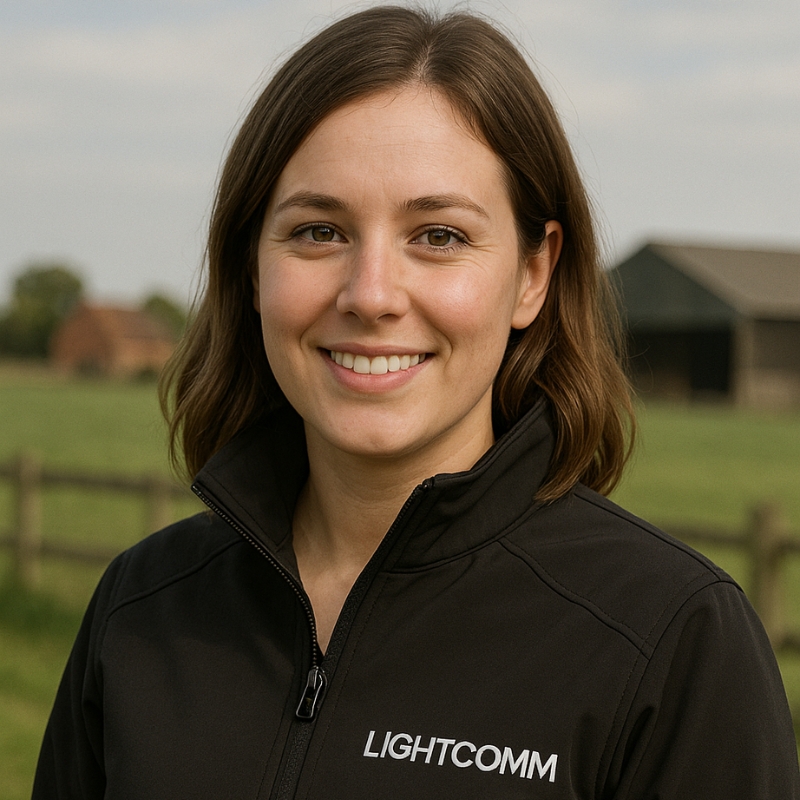
Orla Murphy writes for Lightcomm.ie, where she mixes farm life, tech talk, and a healthy dose of caffeine. When she’s not testing new lights or chatting with farmers, she’s probably wrangling her dog out of a muddy field or trying to convince her neighbours that radios are still cool.