

Updated on: 2026-09-02
Durable LED lights for heavy-duty use are built to keep working when conditions get rough. They deliver strong light output, stable performance, and better efficiency than many older lighting options. With features like tough housings and smart heat management, they help you maintain visibility on farms, worksites, and vehicles. In this guide, you’ll learn how to choose the right lights, install them safely, and avoid common buying mistakes.
Table of Contents
- 1. Buyer’s Checklist
- 2. Step-by-Step Guide
- 3. How to Choose Durable LED Lights for Heavy-Duty Use
- 4. Common Use Cases
- 5. Installation and Maintenance Tips
- 6. Testimonials and Real-World Results
- 7. FAQ
Buyer’s Checklist
Choosing the right lighting can feel confusing. You need more than “bright.” You need durable LED lights for heavy-duty use that stay reliable through vibration, wet weather, mud, and long operating hours. Use this quick checklist before you buy:
- Confirm durability ratings: Look for strong protection against water and dust, and a housing designed for impacts.
- Check real beam performance: Choose flood for wide coverage or spot for long reach, depending on your work area.
- Review power and driver design: Stable drivers help lights perform consistently without flicker under load.
- Prioritise heat handling: Solid thermal design supports long life and steady brightness.
- Match mounting to your setup: Verify bracket compatibility and space for installation.
- Verify wiring and controls: Ensure you can wire safely to your system and use the right switch pattern.
- Plan for maintenance: Choose lenses and housings that are easy to clean without damage.
If you want a reliable way to browse options, explore LED work lighting to compare styles for your job.
Step-by-Step Guide
Follow these steps to select and install rugged lighting that lasts. You’ll reduce risk, avoid mismatched parts, and get better on-the-job performance.
- Define your task area: Decide whether you need broad ground coverage, long-distance visibility, or both.
- Measure mounting space: Confirm clearance for the light body, brackets, and cable routing.
- Choose the correct beam type: Flood for wide visibility, spot for distant targets, or a balanced combination.
- Select heavy-duty construction: Look for impact-resistant housings and sealed internal components.
- Plan your power connection: Use a safe wiring approach and ensure the voltage rating matches your vehicle or equipment.
- Mount firmly and align carefully: Secure the light to minimise shake and aim to avoid glare.
- Test before full operation: Turn on the lights, check the beam pattern, and verify the switch control works as expected.
- Review cleaning and checks: Inspect regularly, wipe lenses with care, and check fasteners for looseness.
How to Choose Durable LED Lights for Heavy-Duty Use
When you’re working in the real world, lighting needs to survive more than dust. Vibration can loosen components. Moisture can shorten lifespan. Heat can reduce output if a light cannot manage it. That is why durable LED lights for heavy-duty use should be chosen based on construction and performance, not just brightness.
1) Build quality you can see and feel
Start with the housing. Heavy-duty lights should have a solid, reinforced body and a secure lens design. A good seal keeps grit and water out. Strong mounting points reduce micro-movement, which protects the internal electronics over time.
2) Beam pattern for the job, not for marketing
More lumens do not automatically mean better results. You need a beam pattern matched to your work. If you drive or inspect around obstacles, choose a wider beam to illuminate edges and ground. If you need to spot hazards at a distance, a narrower beam helps you see clearly without wasting light.
3) Heat management for steady output
Even the best LEDs will degrade faster if heat is not controlled. Look for designs that support efficient heat dissipation. In practical terms, better thermal control helps lights maintain output and extend lifespan, even during long working sessions.
Cross-section icons showing sealed body, cooling fins, beam aim
4) Controls and wiring that match your system
A durable light also needs a reliable electrical setup. Choose wiring components that handle the environment and confirm you have a safe, secure connection. Many users add a dedicated switch so they can control lighting quickly while keeping the main system protected.
For buyers upgrading vehicle or machine lighting, the right package matters. You can browse related options in LED lightbars if you want a focused, rugged style with strong coverage.
Common Use Cases
Durable lighting is not only for tractors at night. It is also for tasks that demand clarity in rough conditions. Below are real scenarios where durable LED lights for heavy-duty use make a noticeable difference.
Farm work after dark
When you’re moving equipment, checking irrigation, or working around livestock pens, shadows can hide small hazards. A stable beam helps you spot uneven ground, cables, and uneven surfaces earlier. Better visibility can also reduce stress during long late shifts.
Construction and maintenance vehicles
On worksites, you often need lighting that survives vibration and dust. Durable LED work lights are useful for inspection, servicing, and temporary setups. When the light remains consistent, you spend less time adjusting or re-checking your area.
ATV, utility vehicles, and rural driving
Rural routes include potholes, mud, and sudden changes in terrain. Robust lights help you see the road surface and obstacles sooner, improving your confidence. In many cases, a sealed housing and strong mounting make the difference between “looks good” and “keeps performing.”
Work trucks and emergency-style setups
If you need dependable task lighting for roadside checks or maintenance work, reliability matters. The goal is simple: keep your work visible and make operations safer when weather changes quickly.
Installation and Maintenance Tips
Even the strongest lights can underperform if installed poorly. Use these tips to protect your investment and keep your lighting performing like day one.
Mount with vibration in mind
Choose mounting points that provide solid support. Tighten fasteners properly and avoid mounting on weak panels that flex. If your setup includes brackets, ensure they are aligned so the light does not shake excessively.
Route cables away from heat and wear
Secure cables to reduce movement. Keep wiring away from sharp edges, moving parts, and hot surfaces. If cables are routed through areas where moisture collects, use protective coverings and ensure connections remain sealed.
Set the beam to reduce glare
Aiming correctly helps both you and others. Over-aimed lights can create glare that reduces comfort and visibility. Use a level reference when possible, then test at safe distances.
Keep lenses clean without scratching
Dust and mud reduce clarity. Clean lenses regularly using gentle methods. Avoid harsh materials that scratch the surface. A small routine helps maintain beam output and keeps your vision sharp during work.
Workshop scene with cleaning tools, cable routing, alignment markers
Plan quick checks during routine maintenance
Before busy seasons or after rough road trips, do a fast inspection. Look for loose mounts, damaged wiring, or signs of moisture intrusion. This preventive habit helps you catch small issues early.
Testimonials and Real-World Results
Buyers often ask whether durable LED lights really hold up under heavy conditions. The short answer is yes when they’re matched to the right use case and installed correctly. Here are examples of common feedback we hear from customers who choose rugged lighting solutions.
Customer feedback: “Stable brightness when conditions got rough”
One buyer shared that after installing heavy-duty work lights, their team noticed consistent brightness during long sessions. The lights kept their output and did not require frequent readjustment. They also appreciated the sealed design, which made cleaning easier after muddy days.
Customer feedback: “Less downtime from lighting failures”
Another customer highlighted fewer interruptions. With robust housings and dependable electrical connections, they spent less time troubleshooting. That meant more time on the job and fewer delays when the weather or terrain was unpredictable.
Customer feedback: “Better control and safer visibility”
Some users also mentioned improved control. Having reliable switching and predictable beam patterns helped them work faster and feel more confident navigating tight areas.
If you want to compare lighting styles for different jobs, start with LED spotlights for long reach, or browse LED warning lights if your setup needs visibility beyond task lighting.
FAQ
What makes a light qualify as durable for heavy-duty use?
Durable lighting typically includes impact-resistant housing, reliable sealing against dust and water, and strong internal components that can tolerate vibration. Good heat management also supports steady performance over time.
Are durable LED work lights easy to install on vehicles and machines?
Installation is often straightforward when you match the mounting style, confirm voltage compatibility, and route wiring safely. You should plan cable protection and confirm alignment before full operation.
How do I choose between flood and spot beams?
Flood beams cover a wider area for tasks near the vehicle or work zone. Spot beams extend visibility farther for distant hazards. Many buyers choose a combination beam pattern or a lightbar style for both near and far needs.
How often should I clean and inspect my lights?
Clean lenses when they look muddy or dusty, and inspect mounts and wiring during routine maintenance. A quick check helps you catch looseness, cable wear, or moisture issues early.
Ready to upgrade? If you want lighting that stays reliable under tough conditions, explore rugged options on lightcomm.ie, compare beam styles, and choose the setup that fits your work.
Disclaimer: Product selection, installation, and performance can vary by vehicle, machine model, wiring setup, and operating conditions. Always follow the manufacturer’s instructions for safe use and compatibility. The information in this article is for general guidance and does not replace professional assessment.
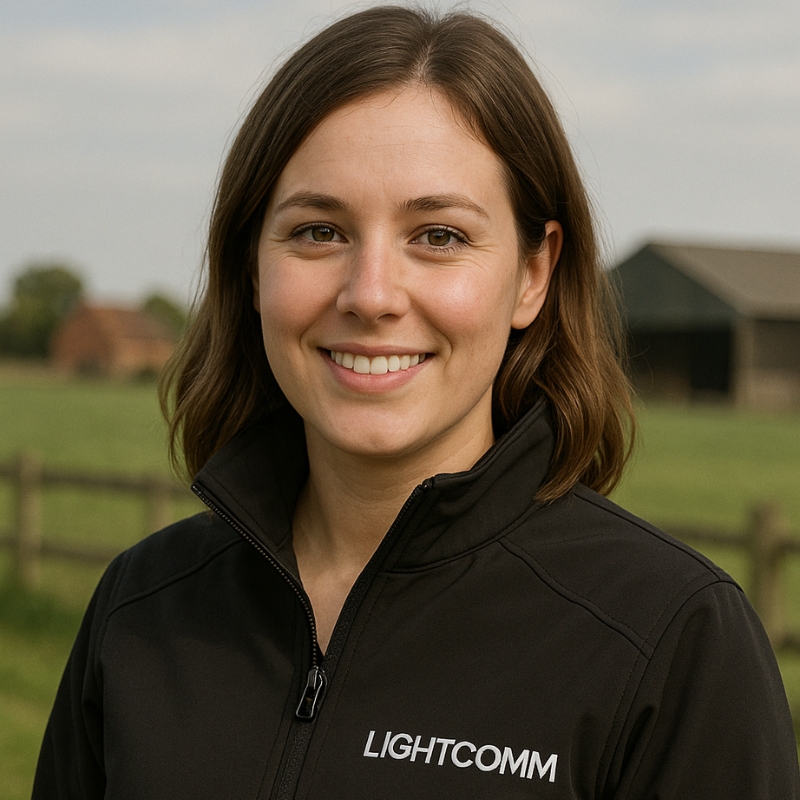
Orla Murphy writes for Lightcomm.ie, where she mixes farm life, tech talk, and a healthy dose of caffeine. When she’s not testing new lights or chatting with farmers, she’s probably wrangling her dog out of a muddy field or trying to convince her neighbours that radios are still cool.