

Updated on: 2026-07-01
If your headlights feel dull or your visibility drops in bad weather, you are not alone. LED upgrades for vehicles are a practical way to improve brightness, clarity, and confidence on the road. Many drivers and operators also want longer service life and lower maintenance hassle. In this guide, you will learn what to look for, how to choose the right LED solution, and how upgrades can fit both everyday driving and work use.
- Why choose LED upgrades for vehicles?
- What I noticed after upgrading my lighting
- Key advantages you can feel right away
- How to pick the right LED solution
- Quick tips for a smooth upgrade
- Common use cases
- Real customer feedback (what people say)
- Summary & next steps
Why choose LED upgrades for vehicles?
Lighting is one of the easiest comfort and safety upgrades you can make. When a vehicle’s lamps are weak, the road can look darker than it should, and you may struggle to spot lane edges, signage, or obstacles early. LED upgrades for vehicles focus on delivering stronger output with better beam behavior, so you can see more clearly while keeping day-to-day maintenance under control.
LED technology also helps drivers and fleet operators reduce downtime. You are not just buying brighter bulbs. You are investing in dependable illumination that can handle frequent starts, vibrations, and long operating sessions. Whether you drive for work, commute at night, or handle tasks in low-light conditions, the right LED upgrade can make your vehicle feel more capable.
If you want to browse lighting options designed for tough use, you can explore the LED headlights range for ideas and product matching.
What I noticed after upgrading my lighting
A few years ago, I used to avoid driving on darker rural stretches after dusk. My previous lights did work, but they made it hard to read the road ahead. The beam felt uneven, and shadows seemed to “move” as I turned, which was unsettling. On top of that, I kept noticing tiny signs of wear, like slight dimming and inconsistent performance.
After switching to a modern LED setup, the difference was immediate. The first night I drove, I could clearly see where the road changed, and reflective markers looked sharper. I also felt less strain, because I was not fighting the beam. It was not just brighter—everything looked more defined. Over time, I stopped thinking about lamp failures and focused on driving instead.
Beam pattern icons over a dark road map
Key advantages you can feel right away
LED upgrades for vehicles typically pay off through a mix of performance benefits. Below are the results many drivers and operators notice soon after upgrading.
- Improved visibility: A better beam helps you spot hazards sooner, including road edges, debris, and obstacles.
- Sharper focus: Upgraded LEDs can reduce “washout” and improve clarity across the driving surface.
- Lower maintenance: LEDs usually last longer than older lamp technologies, which means fewer replacements.
- More consistent output: When lighting stays stable, night driving feels predictable in both dry and wet conditions.
- Better adaptability for work use: Many vehicles benefit from both road-focused and task-focused lighting, such as work lamps and corner lights.
When you choose LED lighting with proper fitment and quality control, you also get a cleaner upgrade experience. You spend less time troubleshooting and more time enjoying the benefits.
How to pick the right LED solution
Not every LED product is the same. To get the best results, match the lighting to the vehicle and the job it does. Here is what to consider before you buy.
1) Confirm fitment and lamp type
Start with the correct bulb type and housing compatibility. Many issues come from incorrect size, connector mismatch, or improper beam alignment. If your vehicle uses a specific headlight or reflector design, choose an LED option that is built for that style.
2) Look for beam quality, not only brightness
Higher numbers can be tempting, but brightness alone does not guarantee useful sightlines. A strong beam should distribute light in the way your vehicle expects, with good cutoff and predictable coverage.
If you also need task lighting for work, consider products designed to supplement visibility rather than replace it.
3) Choose the right upgrade level
Some drivers swap only the main headlight LEDs. Others build a complete illumination plan, adding corner or auxiliary lighting so different angles and surfaces are covered. If you operate in dark yards, lanes, or off-road areas, a multi-part lighting approach can be more effective than a single bulb change.
4) Consider work light and accessory compatibility
Vehicles used for jobs often need more than road beams. Think about how you move, where you park, and what you inspect. For example, corner illumination can help with turning awareness, while work lights can brighten steps, equipment areas, and tool access zones.
If you are building a work-focused setup, you may also like LED work lighting ideas to complement your main headlight upgrade.
Three brightness rings blending into a wider beam
Quick tips for a smooth upgrade
You can avoid common frustration by planning the upgrade in a simple, step-by-step way.
- Match the connector: Check the plug type and ensure the LED kit is designed for your vehicle’s headlight or lamp housing.
- Verify alignment: After installation, confirm that the beam sits properly and does not blind other drivers.
- Keep wiring tidy: Secure cables away from heat and moving parts to prevent future issues.
- Test in stages: Turn on one lamp or one circuit at a time so you can confirm the result quickly.
- Use the right finish: If you add corner or auxiliary lights, choose durable, weather-ready components.
- Plan for the driving environment: If you often drive in rain, fog, or dust, prioritize clarity and beam control.
For many people, the easiest path is to upgrade in a focused sequence: start with headlight output, then add targeted lighting where your visibility needs it most.
Common use cases
LED upgrades for vehicles work for more than one driving style. Here are practical scenarios where upgraded lighting makes day-to-day life easier.
Night commuting and long highway drives
When you drive regularly at night, small improvements compound. A steadier beam and better cutoff can make lane guidance clearer and reduce the “hunt” for details in the dark.
Working in low-light conditions
Vehicles used for farm, site, or yard work often spend time in dim areas. Upgraded headlights improve road approach visibility, while additional task lighting helps you see surfaces, tools, and steps more clearly.
Turning, corners, and tricky angles
Corner awareness matters. Strong corner lighting can help you recognize edges and obstacles when you turn into a driveway, navigate tight lanes, or pull into a workspace at night.
Weather-ready visibility
In wet or foggy conditions, glare and poor beam placement can be distracting. Choosing LEDs with good beam behavior can help reduce washed-out areas and improve what you can actually use.
If you want a quick example of an approach that supports clearer driving angles, you can also explore LED lightbars for supplemental illumination ideas that fit many job setups.
Real customer feedback (what people say)
Every vehicle and every driver’s situation is a little different, but patterns show up in feedback. Here are themes many customers describe after making LED lighting upgrades.
- “The road looks more defined.” Drivers often mention that reflective markers and lane edges stand out more clearly.
- “I feel less tired at night.” When the beam helps you see without overexposure, your eyes and attention can stay calmer.
- “Installation felt straightforward.” People appreciate solutions that are designed for fitment, with less trial and error.
- “It handled rough use better than expected.” For vehicles used on uneven surfaces or with frequent vibration, stable output is a major win.
While experiences vary, the goal is consistent: you want confidence, clarity, and fewer lighting issues over time. The right LED upgrade is about building a lighting system that matches your real routes and real tasks.
Summary & next steps
LED upgrades for vehicles are a high-impact way to improve night visibility, reduce maintenance, and make driving or work operations feel more confident. Focus on fitment, beam quality, and the lighting plan that matches your use case. If you want to build a complete upgrade, think beyond only the main bulb and consider corner or auxiliary illumination where it helps most.
Next steps:
- Choose an LED solution that matches your lamp type and housing.
- Confirm beam alignment after installation.
- Decide whether you only need headlight brightness or also want targeted auxiliary lighting.
- Browse compatible lighting options and upgrade ideas on the lighting packages page.
Disclaimer: Vehicle lighting regulations vary by region and vehicle type. Always check local laws and ensure any installation complies with applicable requirements. For best results, follow the product instructions and use qualified help if you are unsure about wiring or fitment.
Q: Are LED upgrades for vehicles legal everywhere?
A: Laws differ depending on your country, vehicle type, and the specific lamp setup. Before installing any LED lighting, check your local regulations and confirm that the beam pattern and alignment meet required standards.
Q: Will LED headlights work well in rain or fog?
A: Many drivers choose LEDs because they can offer clearer beam behavior and better-defined illumination. However, real results depend on your vehicle’s original optics, the LED design, and proper alignment. After installation, test the beam in safe conditions and adjust if needed.
Q: What is the biggest mistake when upgrading vehicle LEDs?
A: The most common issue is buying a product that does not match your vehicle’s lamp type or connector, which can lead to poor alignment or unreliable performance. Always verify fitment and follow installation guidance to get the best beam quality.
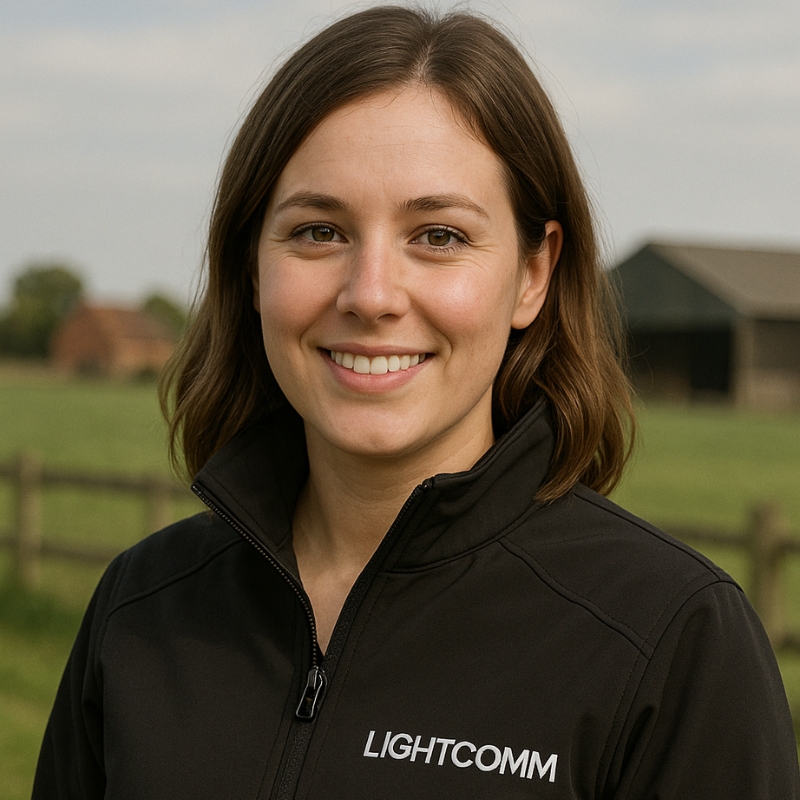
Orla Murphy writes for Lightcomm.ie, where she mixes farm life, tech talk, and a healthy dose of caffeine. When she’s not testing new lights or chatting with farmers, she’s probably wrangling her dog out of a muddy field or trying to convince her neighbours that radios are still cool.