

Updated on: 2026-05-13
If you work near roads, machinery, steps, or docks, visibility is a safety tool. This guide explains why LED lighting for safety helps you spot hazards sooner and act faster. You will learn what to look for in beam coverage, brightness, durability, and control options. You will also get practical use cases, quick myth checks, and answers to common buying questions. By the end, you will have clear recommendations to choose lighting that fits your environment.
LED Lighting for Safety: A Product-Focused Guide to Better Visibility
LED lighting for safety is about more than brightness. It is about creating consistent visibility where you need it most. When light is steady, you can detect uneven ground, moving equipment, trip points, and signage earlier. That means fewer near misses and more confident movement in busy areas.
In this post, we focus on practical features that make a real difference. If you are shopping for lighting for farms, workshops, yards, warehouses, or outdoor work zones, you will recognize your needs fast. The goal is simple: choose lighting that improves recognition of hazards without creating glare or wasted power.
Many buyers start with one question: “Will it be bright enough?” Yes, brightness matters. But the better question is: “Will it deliver useful light where the hazard is?” LED systems help because they can be engineered for different beam patterns. You can target wide coverage for walking paths, or use focused beams for distance viewing.
That is why many safety setups combine lighting types. For example, you may want general area lighting for ground-level tasks and additional task lighting for inspection work. Some setups also benefit from alert lighting that draws attention to equipment and edges.
Layered visibility: wide light, focused beam, alert glow
When you shop, look beyond the watt or lumen headline. Prioritize performance in real conditions. Strong safety outcomes usually come from four capabilities: stable output, good optics, durable housing, and easy control.
1) Stable output that keeps working in tough conditions
Outdoor and industrial spaces rarely stay ideal. Weather changes, vibration, dust, and frequent use are normal. Quality LED lighting is built for long service life and consistent output. That matters for safety because your lighting should not fade or drift just when conditions get harsher.
2) Optics that reduce blind spots and prevent glare
Effective lighting is shaped. Optics help direct light to the surface or area you need. Good optics reduce harsh glare that can hide details. Instead of flooding everything with light, a well-designed beam pattern highlights the ground and edges where hazards appear.
3) Durability that supports daily work
A safety upgrade fails if it needs constant replacement. LEDs are often paired with sturdy housings and sealed construction. This supports reliable operation in dust, rain, and vibration-heavy environments.
4) Control and placement that match how you move
Lighting is only helpful when it is placed correctly. You may need wall mounting, pole mounting, or vehicle mounting depending on your workflow. You might also want a system that turns on automatically or provides simple manual control.
Quick product angle: choose a system, not just a bulb
Some buyers try to solve safety visibility with one light. A better approach is to select a lighting category that matches your risk. If your risk is trip hazards and stairs, choose area coverage. If your risk is spotting equipment at angles or at distance, choose focused beams or machine-mounted lighting.
If you want to explore compatible options for high-visibility work, browse these relevant categories:
These collections can help you compare beam types and find lighting that fits real safety needs.
Myths vs. Facts About LED Lighting for Safety
Safety upgrades are often slowed down by myths. Let us clear the confusion so you can buy with confidence.
Myth 1: “More brightness always means better safety.”
Fact: Higher brightness can help, but only if the light is aimed correctly. Glare and poor beam shaping can reduce visibility. Choose lighting with optics designed for your space, not just high output.
Myth 2: “LEDs are always harsh and uncomfortable.”
Fact: Many LED systems are designed with better beam control than older lights. When placement and angle are correct, LEDs can illuminate hazards while reducing eye strain. Your goal is clarity on the walking surface, not an overexposed blur.
Myth 3: “Outdoor lighting is the same as workshop lighting.”
Fact: Environments differ. Outdoor setups need weather resistance and stable performance under wind, rain, and dust. Workshop lighting may require tighter control for detailed tasks. Match the lighting to the conditions and the task.
Myth 4: “One light is enough for every hazard.”
Fact: Hazards appear in different zones. Trip points need near-field coverage. Equipment visibility may require distance viewing. Edges and boundaries may need alert lighting. A layered approach is usually safer.
What buyers commonly ask for
Most customers want four outcomes: safer movement at night, clearer recognition of machinery, reduced accidents on steps or uneven ground, and lighting that does not require constant maintenance.
One practical way to refine your selection is to match the lighting to use cases:
- Paths and entrances: wide coverage that makes the ground visible
- Equipment areas: lighting that reveals moving parts and edges
- Work zones: task lighting with consistent output for inspection
- Visibility for others: alert lighting that marks equipment presence
Safety map: entrance, pathway, hazard edges, alert points
Frequently Asked Questions
How do I choose the right beam pattern for LED lighting for safety?
Start by identifying where hazards appear. For walking and steps, prioritize wide, even coverage that brightens the ground and edges. For spotting hazards at distance, look for a beam pattern designed for longer reach. If you are unsure, choose lighting options that allow you to cover both near and far zones, then position them to minimize glare.
Are LED warning lights useful for safety, or are they just for attention?
LED warning lights do more than get attention. When used correctly, they help others recognize equipment presence and boundaries from multiple viewing angles. That supports safe behavior around machinery, especially in busy sites where people may enter blind corners.
How long do LED safety lights last, and what affects lifespan?
LEDs are built for long service life, but lifespan depends on heat management, build quality, vibration exposure, and operating environment. Choose sealed, durable units for outdoor and machinery use. Also ensure correct installation so the lighting stays secure and angled as intended.
Can LED lighting for safety reduce accidents in real work environments?
Better visibility helps people detect hazards sooner. While no single lighting product can guarantee zero incidents, improved recognition of steps, edges, and moving equipment supports safer decisions. For best results, use a layered approach: area lighting, task lighting, and alert lighting where needed.
Final Recommendations: Build a Safer Lighting Plan
If you want the most safety value from your upgrade, treat lighting as a system. Start with your risk areas, then select lighting that matches each one. This approach typically gives the best results, because it reduces blind spots and improves hazard recognition.
Here is a simple buying plan you can follow:
- Map the hazards: entrances, steps, uneven ground, and machinery corners
- Select the right light type: wide coverage for walking, focused coverage for distance, alert lighting for boundaries
- Check durability and protection: choose sealed, sturdy units suited to dust and weather
- Plan placement: aim for clear ground visibility and reduced glare
- Consider compatibility: if you are fitting lighting to equipment, confirm fitment and wiring support
If you are buying for machinery or vehicle visibility, exploring LED lighting bundles and categories can speed up decision-making. You can also learn more about product fit and buying guidance by reviewing the retailer’s information page:
For specific equipment-focused lighting solutions, you may also find these helpful:
And if you are building a safety setup around upgraded visibility for vehicles or work areas, consider comparing options that suit your workflow, then choose the best beam pattern and mounting approach for your site.
Call to action: Ready to improve visibility where it matters most? Browse the LED categories and lighting packages on Lightcomm, compare beam styles, and choose lighting that supports safer movement in your environment. Start with the hazards you face most often, then expand coverage for a layered safety plan.
Disclaimer: This article is for general informational purposes only. It does not replace site-specific risk assessments, professional advice, or required safety regulations. Always follow manufacturer instructions, installation requirements, and local safety standards. Lighting performance and safety outcomes depend on correct installation, placement, and maintenance.
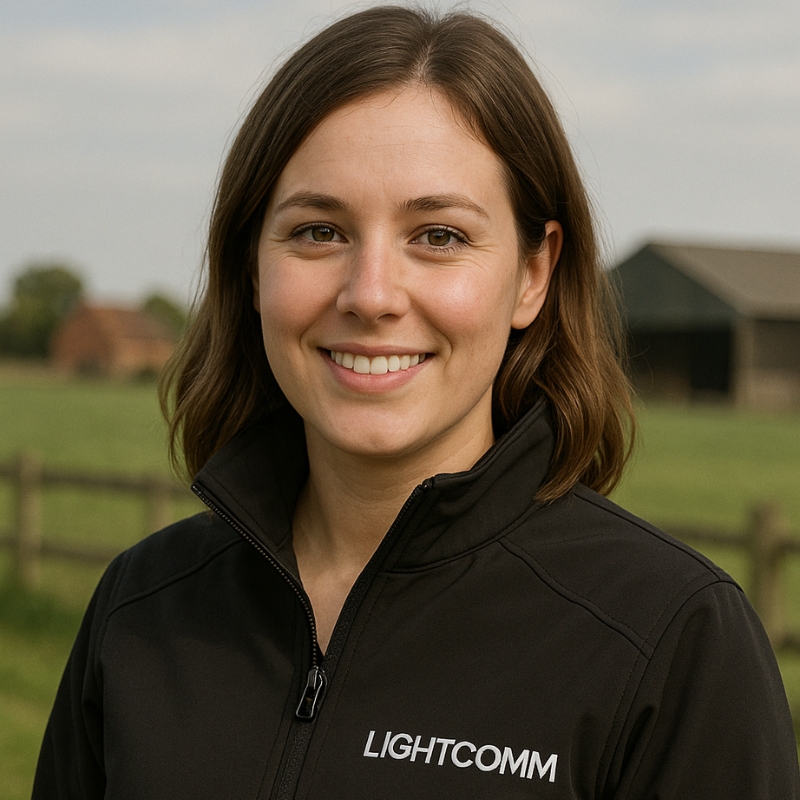
Orla Murphy writes for Lightcomm.ie, where she mixes farm life, tech talk, and a healthy dose of caffeine. When she’s not testing new lights or chatting with farmers, she’s probably wrangling her dog out of a muddy field or trying to convince her neighbours that radios are still cool.