

Updated on: 2026-08-19
Agricultural teams need lighting that performs in real field conditions: dust, rain, vibration, and long work days. This guide explains how to choose agricultural LED lighting solutions that improve visibility, worker safety, and productivity. You will learn what to look for, which mistakes to avoid, and how to plan upgrades with confidence. By the end, you will have a practical buyer’s checklist and clear answers to common questions.
- Why upgrade to LED field lighting?
- Common Mistakes When Buying Agricultural LED Lighting Solutions
- Buyer’s Checklist for Agricultural LED Lighting Solutions
- Placement and wiring tips that prevent headaches
- Visual concept for smart coverage
- Use cases: where LED lighting makes the biggest difference
- Visual concept for long-term reliability
- Field feedback and customer outcomes
- FAQ
- Wrap-Up & Final Thoughts
Why upgrade to LED field lighting?
When farm tasks stretch from early mornings to late evenings, lighting is not a “nice to have.” It affects how safely people move, how quickly equipment operators spot hazards, and how reliably you finish work before weather changes. Older lamps can fade, crack, or waste energy. That is where modern agricultural LED lighting solutions stand out.
LED technology delivers focused brightness with lower power draw. The result is steadier performance and less strain on your electrical system. Many teams also choose LEDs because they turn on quickly and maintain output over time better than traditional lighting. That matters when you are working in mud, dust, and vibration where consistent illumination is essential.
Beyond brightness, the right lighting design can reduce eye strain. With better beam control, you can illuminate where you need it and avoid unnecessary glare that distracts drivers or workers. In practical terms, this helps operators spot gaps in the ground, read the edge of rows, and see moving objects sooner.
Common Mistakes When Buying Agricultural LED Lighting Solutions
Buying mistakes usually do not show up immediately. They appear later as poor coverage, frequent failures, or extra costs from rework. Here are the most frequent issues we see when customers upgrade.
Choosing brightness without beam design. High lumens are useful, but the beam pattern decides whether light lands on the ground or scatters into the sky.
Ignoring water and dust protection. If a light is not sealed for harsh environments, moisture can damage internal components and shorten life.
Skipping vibration testing for mobile equipment. Farm vehicles shake. Fixtures without strong housings and mounting can loosen over time.
Underestimating glare. Too much stray light can reduce comfort and visibility for operators, especially on busy lanes or near buildings.
Forgetting about wiring and power control. Poor connectors, undersized cables, or incorrect switching can cause voltage drops and intermittent performance.
If you want a clean upgrade, select components with the environment and mounting method in mind from day one.
Shielded beams show targeted coverage on ground
Buyer’s Checklist for Agricultural LED Lighting Solutions
Use this checklist to compare options quickly and avoid costly misfits. It is written for farm operators who need results, not guesswork.
Confirm the use case first. Decide whether you need work illumination on equipment, visibility for safe travel, or both.
Check beam pattern and mounting flexibility. Look for beams suited to your task distance—close work, mid-range spotting, or wide-area coverage.
Verify durability ratings. Prioritize protection against dust and water, and choose housings that handle vibration.
Match the power setup. Ensure the electrical system can support the load and that you have compatible switches and wiring.
Plan for clean installation. Consider cable routing, connectors, and strain relief so the lights stay secure through the season.
Measure the mounting locations. Even strong lights perform poorly if aimed incorrectly. Align the fixtures with your working zone.
Budget for spares and accessories. Mounting brackets, harness components, and protective covers can save time later.
Want a fast way to start comparing? You can explore LED work lighting and lighting packages directly at LED work lighting collections to see common setups used across agricultural equipment.
Placement and wiring tips that prevent headaches
Good lighting is more than buying a bright fixture. Placement determines where the light hits, and wiring determines how reliably it works. If you install lights with a “good enough” approach, you may get glare, uneven coverage, or electrical problems.
Start by mapping your working zone. For example, if you operate near hedges or low ground cover, aim the beam to reduce spill into the operator’s line of sight. If you run tasks that require seeing row edges and obstacles, prioritize consistent illumination across the area rather than a single hot spot.
Next, focus on wiring safety and stability. Use quality connectors and route cables away from sharp edges and moving parts. Add strain relief where the harness changes direction, and protect the run where it could rub against metal. Finally, select a switch or control method that supports your use. When lights respond immediately and predictably, operators can focus on the task.
Visual concept for long-term reliability
Sealed housing and protected cables resist harsh farm wear
Use cases: where LED lighting makes the biggest difference
Agricultural LED lighting solutions can support multiple workflows. The best choice depends on your equipment and your day-to-day tasks. Here are high-impact use cases.
1) Tractor and implement work during low light
When you align implements, manage field edges, or work around obstacles, you need reliable ground visibility. LED work lighting helps operators see the boundary lines and surface texture more clearly. That reduces hesitation and improves control when conditions are not ideal.
2) Safer movement on mixed terrain
Farm sites are full of corners, gates, ditches, and uneven ground. Upgraded lighting improves recognition of hazards and gives drivers more time to react. It also supports safer operations in early morning and dusk conditions.
3) Productivity for harvest and busy seasons
During peak periods, delays cost money. With steadier output, fewer lighting failures, and less need for replacements, teams can keep going. The benefit is not only brightness; it is fewer interruptions.
4) Workshop and yard tasks
Maintenance, cleaning, and equipment checks all require good visibility. LEDs help you see fasteners, cables, and small issues without relying on temporary spot lights. That streamlines your workflow and improves the quality of day-to-day servicing.
If you want a practical example of field-ready light options, browse LED spotlights for targeted illumination, or check lighting packages when you want a coordinated setup.
Field feedback and customer outcomes
Customers upgrade lighting because they want a visible difference, day after day. While every farm has different conditions, common themes show up in real-world feedback: clearer ground detail, better confidence for operators, and a more reliable experience across seasons.
“The beam is where it should be.”
One equipment owner shared that their operators noticed the ground became easier to judge, especially when working along uneven edges. They reported fewer moments of re-aiming and a more consistent look across the work area.
“Less fuss, fewer replacements.”
Another customer mentioned that the switch to LEDs reduced the number of breakdowns they dealt with during long work stretches. Instead of dealing with frequent swaps, they focused on completing tasks.
“Glare feels better controlled.”
A farm manager emphasized comfort. They chose a design with more controlled light spread and found that it improved visibility without overwhelming the operator’s view.
Note: Results depend on installation, aiming, and environment. Always follow the product instructions and use suitable mounts and wiring components for your vehicle and workload.
FAQ
What should I look for first in agricultural LED lighting solutions?
Start with the real job you need lighting for, then match beam pattern and mounting style to your working distance. After that, prioritize sealed protection against dust and water, and confirm that the fixture is built to handle vibration on mobile equipment.
Will LED lights drain my battery or electrical system?
LEDs typically use less power than many older lighting types. Still, you should confirm the total load, use proper wiring and connectors, and choose a compatible switch or control method. If you have multiple lights, add up the requirements and design the install for stable voltage.
Do I need help aiming the lights?
Aiming is essential. Even good fixtures can underperform if they are aimed too high, too low, or at an angle that creates glare. If you are unsure, plan a quick test by checking coverage on the ground at your normal working range before starting a full day of tasks.
Wrap-Up & Final Thoughts
Agricultural LED lighting solutions help farms solve practical problems: poor visibility, frequent lamp failures, and inconsistent performance in harsh conditions. The right upgrade improves safety, supports accurate work, and keeps teams productive when the schedule is tight.
To choose confidently, use the checklist: confirm your use case, match beam pattern to the task distance, verify protection and vibration resistance, and plan clean wiring and aiming from the start. If you want a streamlined starting point, browse curated options on LED lightbars and LED warning lights to build a setup that fits your equipment needs.
Call to action: Ready to brighten your operation? Explore LED lighting options on lightcomm.ie, compare beam styles and mounting options, and build an upgrade plan that matches your field conditions.
Disclaimer: This article provides general guidance for selecting and installing lighting. Always follow the manufacturer’s instructions for your specific equipment and lighting products. Environmental conditions, installation quality, aiming, and electrical system configuration can affect performance.
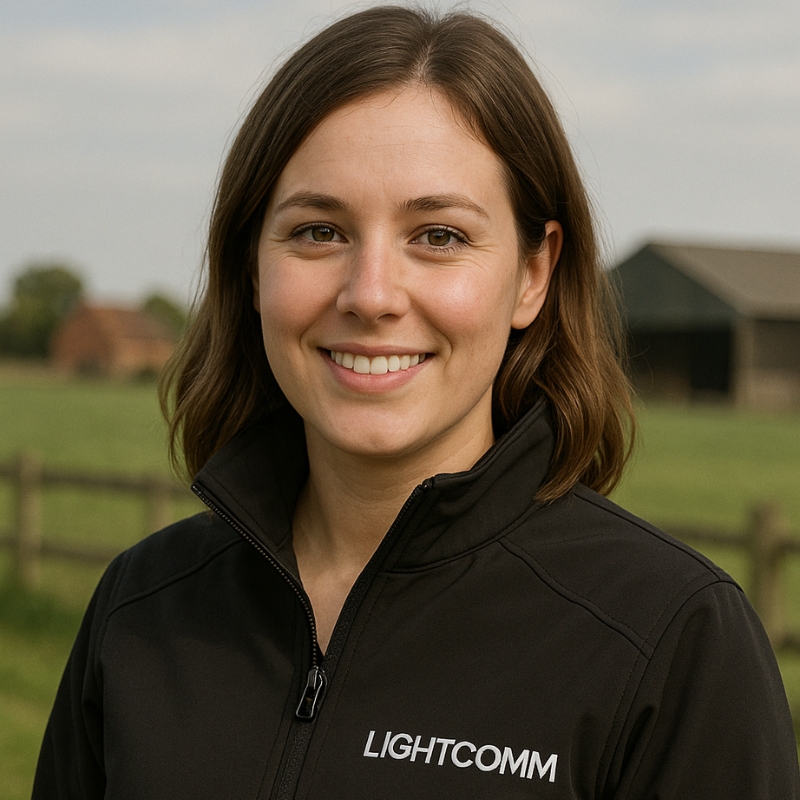
Orla Murphy writes for Lightcomm.ie, where she mixes farm life, tech talk, and a healthy dose of caffeine. When she’s not testing new lights or chatting with farmers, she’s probably wrangling her dog out of a muddy field or trying to convince her neighbours that radios are still cool.